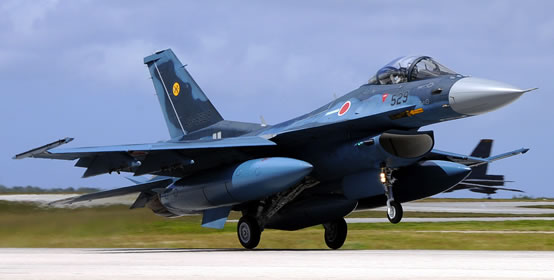
The U.S. government awards some of the largest and most complex defense contracts in the world. These agreements support aircraft production, missile-defense systems, shipbuilding programs, and the technology that connects military operations.
Each year, a small group of major contractors receives a significant share of this work. According to recent federal contracting data, Lockheed Martin, Boeing, General Dynamics, Raytheon (RTX), and Northrop Grumman remain the top companies supplying the Department of Defense.
Their programs affect nearly every branch of the military and reflect the long-term investments required to maintain U.S. defense capabilities.
Lockheed Martin is the largest defense contractor in the United States. The company develops and supplies military aircraft, missile technologies, space systems, and integrated defense solutions used across all branches of the armed forces.
In August 2025, the U.S. Army awarded Lockheed Martin a $720 million contract for continued production of the Joint Air-to-Ground Missile and the Hellfire missile systems. This award is the fourth and final follow-on order under the Army’s current multi-year procurement plan and supports ongoing production of precision air-to-ground weapons. Federal contracting data also shows continued Army obligations tied to missile production under the company’s existing contract vehicle.
These programs remain active in 2025 and form a significant portion of Lockheed Martin’s ongoing work. With steady production orders and long-term contracts in place, the company continues to play a central role in supplying advanced military systems to the U.S. government.
Boeing is one of the largest aerospace and defense companies in the world. The company produces military aircraft, missile-defense components, and support systems for U.S. forces.
In 2025, the Department of Defense awarded Boeing more than $7 billion in military contracts, including new aircraft for the Army and Air Force. The company also secured a $2.7 billion multiyear contract to produce seeker components for the Patriot Advanced Capability-3 missile interceptor, which is used for air and missile defense.
Boeing faced production slowdowns earlier in the year due to a three-month strike by defense workers, but operations resumed after employees ratified a new labor agreement. The company later reported updated third-quarter delivery figures that reflected returning production momentum across its defense programs.
These awards and operational developments show Boeing’s continued importance in supplying aircraft and missile-defense systems to the U.S. military and sustaining programs that support national defense requirements.
General Dynamics builds ships, combat vehicles, and secure information technology for the U.S. government. Its work spans submarine construction, armored vehicles, and large-scale digital infrastructure for military operations.
In July 2025, General Dynamics Electric Boat received a $1.85 billion contract modification for submarine construction, reinforcing the company’s long-term role in the Navy’s shipbuilding programs.
General Dynamics Information Technology secured a $1.5 billion enterprise IT modernization award in 2025, and related reporting detailed a second contract valued at roughly $1.25 billion to support U.S. Army Europe and Africa.
Department of Defense notices and federal contract data confirm additional task orders and modifications across the company’s shipbuilding and IT portfolios.
These awards highlight General Dynamics’ position across both traditional defense manufacturing and modern military information systems, keeping the company central to major U.S. defense initiatives.
Raytheon, now operating under RTX, develops missile-defense radars, interceptor missiles, and integrated air-defense systems for the United States and allied militaries. The company supports a wide range of programs that protect against aircraft, drones, and advanced missile threats.
In 2025, Raytheon received a $1.7 billion contract from the U.S. Army to produce the Lower Tier Air and Missile Defense Sensor. The contract includes radar units for both the United States and Poland, and it marks the first international order for this system. It strengthens the Army’s modernization goals and expands Raytheon’s role in global air-defense networks.
Raytheon was also awarded a $5.04 billion contract for the Coyote missile system, which provides counter-drone and short-range air-defense capabilities for the Army. This contract supports the large-scale production of interceptors designed to respond to rapidly evolving aerial threats.
RTX has also begun construction on a $53 million expansion of its production facility in Andover, Massachusetts. The additional space will support increased output of missile-defense radars and reflect rising demand for the company’s systems.
These contracts and facility investments position Raytheon as one of the United States’ most important suppliers of radar and missile-defense technologies, and they ensure continued growth within major U.S. defense programs.
Northrop Grumman develops long-range strike systems, missile-defense technologies, and advanced munitions for the U.S. military. The company supports programs across the Air Force, Army, Navy, and Space Force, with work that spans aircraft production, sensors, and precision weapons.
In 2025, Northrop Grumman received a contract from the U.S. Army to produce XM1211 High Explosive Proximity ammunition. This award funds the delivery of proximity-fuzed rounds intended to improve battlefield effects and supports ongoing modernization of Army indirect-fire capabilities. Public reporting places the value of the program above two hundred million dollars, with production activity extending into 2026.
Northrop Grumman was also referenced in reporting on the Pentagon’s Golden Dome missile-defense initiative, which included new Space Force contracts intended to support advanced tracking and sensor technologies. Additional contract records confirm Navy and Air Force obligations related to long-range strike and surveillance platforms.
These awards demonstrate Northrop Grumman’s continuing role in delivering weapons, sensors, and aerospace systems that support U.S. defense priorities. With work spanning advanced munitions and emerging missile-defense programs, the company remains one of the government’s most important contractors.
The United States continues to invest heavily in the programs that support its aircraft, missile-defense networks, naval forces, and digital infrastructure. The contracts awarded to Lockheed Martin, Boeing, General Dynamics, Raytheon, and Northrop Grumman show how these companies remain central to the military’s long-term modernization efforts. Each contractor contributes different capabilities, from precision weapons and advanced radars to submarine construction and surveillance technologies.
As modernization priorities evolve, these firms are positioned to support the programs that shape future defense strategy. Their ongoing work reflects the scale of the Pentagon’s requirements and the importance of stable, multi-year procurement. With large awards continuing across multiple services, the nation’s top contractors will remain essential to sustaining U.S. military readiness in the years ahead.