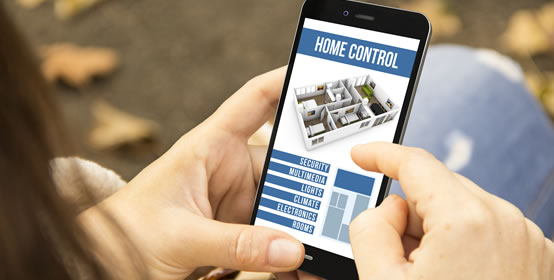
Not long ago, the idea of controlling your home with a simple voice command or a tap on your phone felt like something out of a sci-fi movie. Today, smart home technology has made that vision a reality. From adjusting the lights to securing the front door, homeowners can now manage their living spaces with ease — no matter where they are.
What once seemed expensive and out of reach is now more accessible than ever. Innovations in technology have transformed everyday living, making smart homes a growing trend that’s reshaping modern life. As home automation becomes more affordable, the dream of a connected, intelligent home is turning into a reality for more people.
A smart home refers to a residence equipped with devices and systems that can be controlled remotely via a smartphone, tablet, or computer. These systems often include lighting, security, appliances, heating, and cooling, all designed to enhance convenience, security, and energy efficiency. While many homes may not come pre-installed with smart technology, retrofitting has become both cost-effective and straightforward, allowing homeowners to upgrade their existing systems with relative ease.
Smart homes simplify daily routines by offering a range of customizable features. Imagine waking up to a home that’s already one step ahead of you. Your thermostat adjusts the temperature for a cozy morning, while your smart coffee maker starts brewing your favorite roast.
Heading out for the day? Smart locks ensure your doors are secure as you leave, while motion-sensing lights switch off automatically to save energy. Your refrigerator sends reminders when groceries run low, and if a package arrives, you’ll get a real-time alert from your smart doorbell.
Need to keep an eye on loved ones? Activity trackers can monitor elderly relatives’ daily patterns, sending alerts if anything unusual occurs. Parents can get notified when children arrive home safely from school, and pet owners can activate smart fans to keep litter box odors in check.
Even unexpected situations are managed effortlessly. Leak detection sensors can shut off the water supply to prevent damage, and security cameras let you monitor indoor activity from anywhere. The peace of mind smart technology provides is unmatched, turning ordinary tasks into seamless experiences.
Investing in smart technology isn’t just about convenience — it can also increase a home’s value. According to research conducted by Coldwell Banker, homes with smart technology appeal to more buyers and can sell faster. In fact, 45% of Americans either already own smart home devices or plan to invest in them within the next year. Among millennials, 44% would pay $3,000 or more for smart home features.
The landscape of home automation is rapidly evolving, with several key trends shaping the future:
The rollout of 5G networks is set to revolutionize smart home technology by providing faster and more reliable connectivity. With data speeds up to 100 times faster than 4G and significantly lower latency, smart home devices will be able to communicate almost instantly, enhancing responsiveness and efficiency. This leap in connectivity means smoother video streaming from security cameras, more reliable voice control, and faster response times for automated systems.
5G will also support a greater number of connected devices simultaneously, paving the way for more comprehensive smart home ecosystems. Imagine a home where every device — from lights and locks to kitchen appliances and entertainment systems — works in perfect harmony, reacting in real-time to your preferences and routines.
Moreover, the improved bandwidth will unlock the potential for more advanced technologies like augmented reality (AR) interfaces, AI-driven automation, and enhanced remote healthcare monitoring. As 5G becomes more widespread, smart homes will become not just faster but smarter, offering unprecedented levels of convenience, security, and personalization.
For those considering upgrading their homes, some standout smart home devices leading the charge in 2025 include:
One of the most exciting applications of smart home technology is its potential to help seniors age in place. Features like fall detection sensors, medication reminders, and emergency alerts ensure that older adults can maintain their independence while staying safe. Caregivers can also remotely monitor health metrics and receive alerts if anything unusual happens.
Looking ahead, smart homes will only become more personalized and predictive. Soon, homes will be able to distinguish homeowners and family members by their heartbeats, fingerprints, or other biometrics. Imagine walking in the door after a long day and having the lights dim, the thermostat adjust to your preferred temperature, and your favorite music play automatically.
Gadgets of the future might start cleaning before you even get home, ensuring you return to a spotless house. The integration of artificial intelligence will push automation even further, creating homes that learn and adapt to each person’s unique habits and preferences.
The integration of smart technology not only makes life more convenient but also adds value to homes, making them more appealing to buyers. As automation continues to grow, the smart home is becoming less of a novelty and more of an expectation — a shift that’s reshaping modern living.
In the not-so-distant future, smart homes will anticipate needs before they arise. Whether it’s keeping the house at the perfect temperature, enhancing security, or simplifying daily chores, the smart homes of tomorrow promise to make life smoother, safer, and more enjoyable.